

The thing about humans is that we really are stubbornly and beautifully resilient, and it’s in our nature to keep going. We pick up the pieces and the parts as best we can, and life keeps moving all around you and you move with it. That is what it has felt like. There are places that feel like they just dried out from the flood and will not return to any semblance of what they were before in our lifetimes, and there are places where through sheer force and will and love were put back together and are alive again and buzzing with energy.
The river near our home is one of those places that will be changed for my lifetime. The deep holes that held trout were filled with sand and the banks were cut back 20 feet on either side. Sun now shines in heating the water beyond what will support the rainbows and browns that used to call it home. But now my kids can wade across it and lounge in the new shallows, and the sand is soft on their feet. There are a lot of strange contradictions like this.
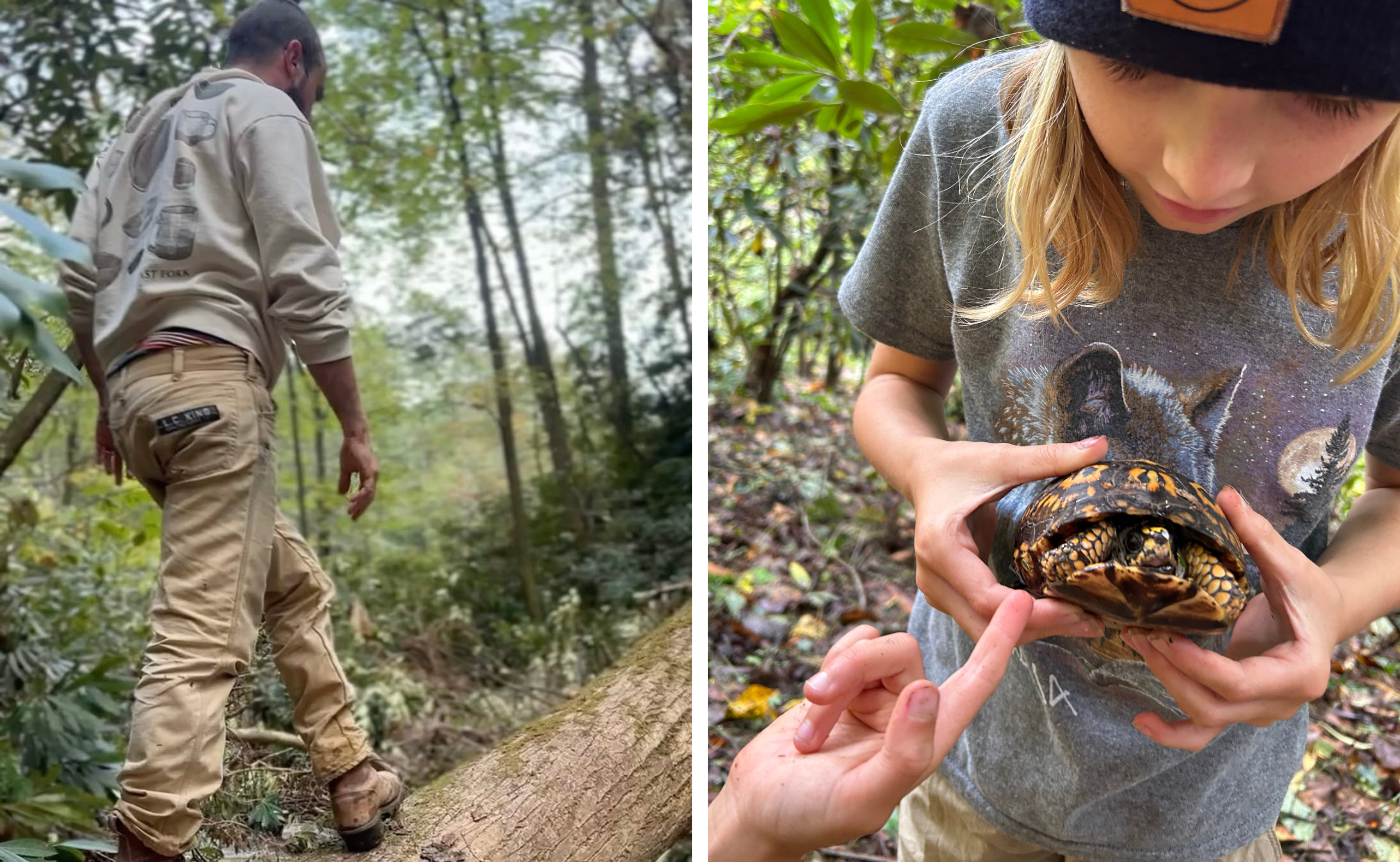
This spring, Connie and I drove up to see one of my clay mentors Matt Jones at his kiln opening. On the way back we stopped in Marshall for lunch and were moved to tears again and again as we visited with old friends and heard their stories. Joel from Zuma walked us over to a cafe table that had a beautiful painting on it under a coat of shellac and told us the story of someone finding it in a pile of debris miles and miles down the French Broad and bringing it back to him. There it was in the corner of Zuma, sun streaming in through the new plate glass windows, new millwork around the coffee bar, local art hanging back on the walls and a crowd of locals gathered for the open mic.
Octavio Paz wrote about the craft object as “an almost invisible scar commemorating our original brotherhood or sisterhood.” Over the last week I’ve been thinking about that almost invisible scar in the context of the storm, and I’m filled with a strange sense of pride to have witnessed that moment, and moved through it with all of you.
-Alex Matisse, East Fork CEO & Founder
A Commitment to Community
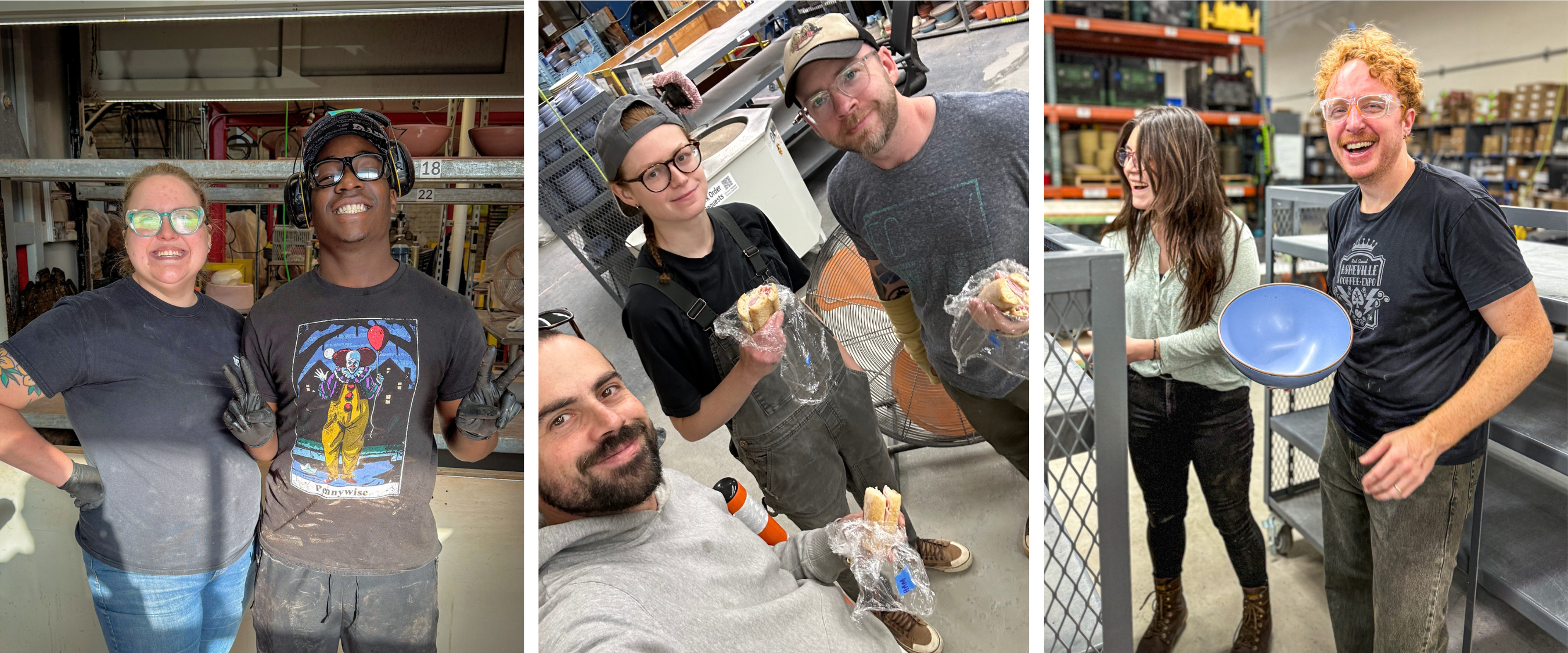
On September 27th, 2024, Hurricane Helene tore through Western North Carolina, swallowing up roads, homes and entire communities. In the days after the storm, after accounting for all of our employees, we decided to host a large online Seconds sale and donate 5% of all sales through the rest of the year back to our community. In the months following the storm, through the 5% model and direct customer contributions, we were able to donate over $500,000 to recovery efforts in WNC.
Directly following the storm, all donations were shared evenly between PODER Emma, BeLoved Asheville and Equal Plates, who were boots on the ground distributing aid and leading recovery and rebuilding efforts. For the month of December, donations went to The Center for Native Health, a Native-led organization in Cherokee, NC.
Knowing that recovery would be an ongoing task, we decided to continue our percentage of sales model, committing to donate 1% off all sales to our local community partners for 2025. In January, we partnered with Swannanoa Communities Together, an organization born from need after the storm in Swannanoa Valley, one of the hardest hit areas in WNC.
One year later, we reached out to some of our past Community Partners to get an update on ongoing storm recovery efforts, how they put their donations to use and what’s next for their communities. Read on for updates from Swannanoa Communities Together, the Center for Native Health and PODER Emma.
Swannanoa Communities Together
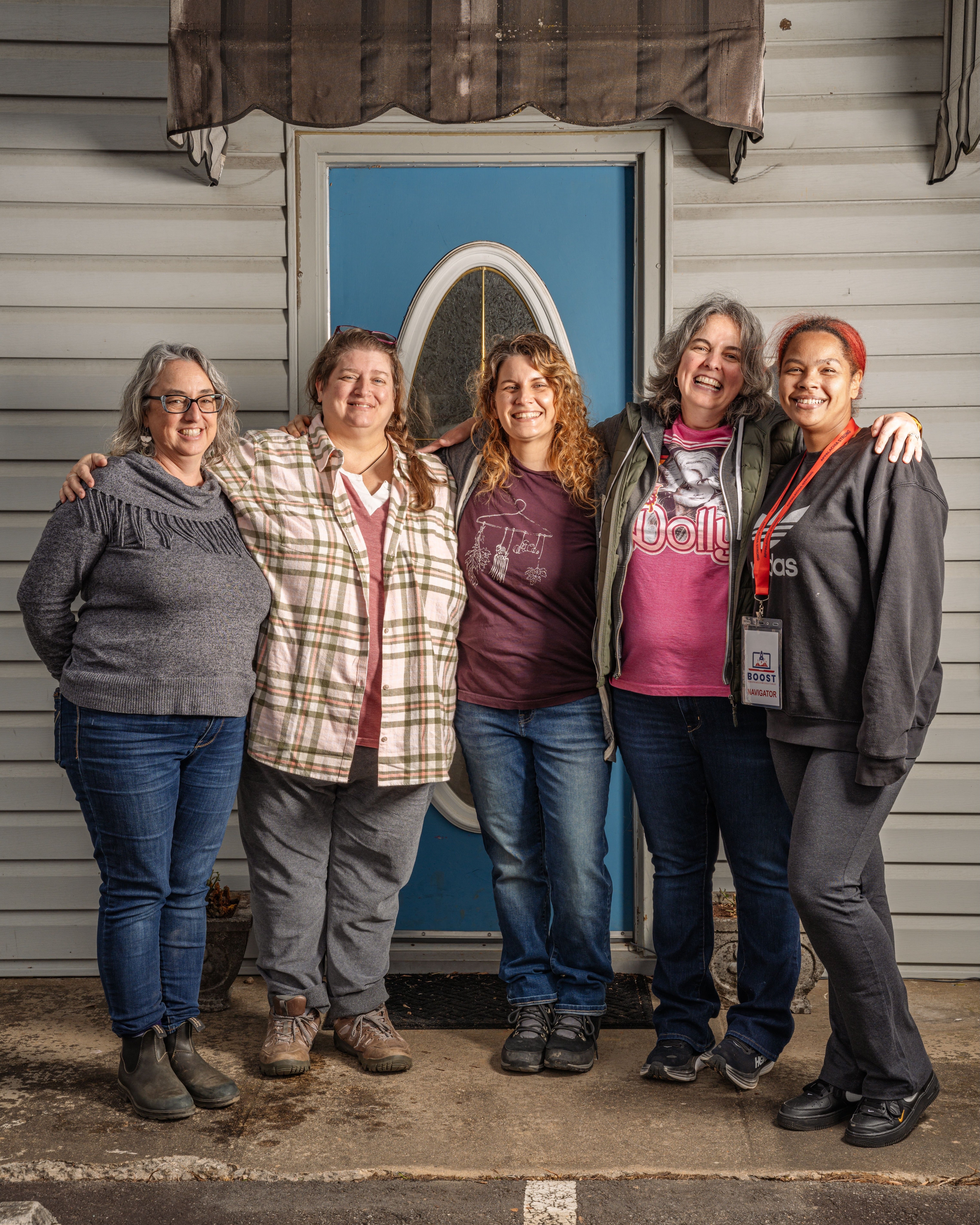
Over the past year, donations made in the wake of Helene have been life-changing for neighbors in the Swannanoa Valley, thanks to the work of Swannanoa Communities Together (SCT). The storm left more housing loss and displacement there than anywhere else in the Southeast, and SCT used the support to meet that crisis head-on.
The organization covered rent, utilities, funeral expenses and other urgent costs for families suddenly uprooted. They ensured that folks sleeping in cars or unheated structures had access to emergency shelter and, eventually, more stable housing. Donations also fueled food distribution at their community center and allowed them to build a bilingual, multiracial team of Disaster Case Managers who continue to provide compassionate, one-on-one care.
Housing has remained at the heart of SCT’s response. With hundreds of households displaced, many families are still piecing together temporary solutions—living in RVs, motels or doubling up with relatives—while waiting for permanent housing to return to the valley. Donations made it possible for SCT to pay an average of $62,493 every single month to community members to help pay rent, utilities and other essentials. They also launched the Community Cupboard/Bodeguita food program, distributed heaters and firewood last winter, and provided direct financial support with dignity and care. These efforts have helped neighbors keep their lights on, stay in their homes, and weather the long economic tail of the storm.
A year later, the need remains immense. Swannanoa is still without a grocery store, and many families continue to live in unsafe or unstable conditions. In July alone, over 450 people came through SCT’s doors for help, 150 of them seeking housing support. Documentation shows 438 households in the valley with total home loss or severe damage—staggering numbers in a community of fewer than 3,000 households. With unemployment still high, even those whose homes were spared are struggling to keep up with rent and utilities. For too many, the storm’s impact has not ended; it has simply evolved.
Recovery work continues, and so does SCT’s commitment. The group is still helping families secure housing and responding to the ongoing food and mental health crises born from Helene’s destruction and the slow pace of recovery. SCT asks supporters to keep Swannanoa in their hearts, share the community’s stories and remind others that the work of rebuilding is ongoing.
Learn more about Swannanoa Communities Together’s work and donate HERE.
The Center for Native Health
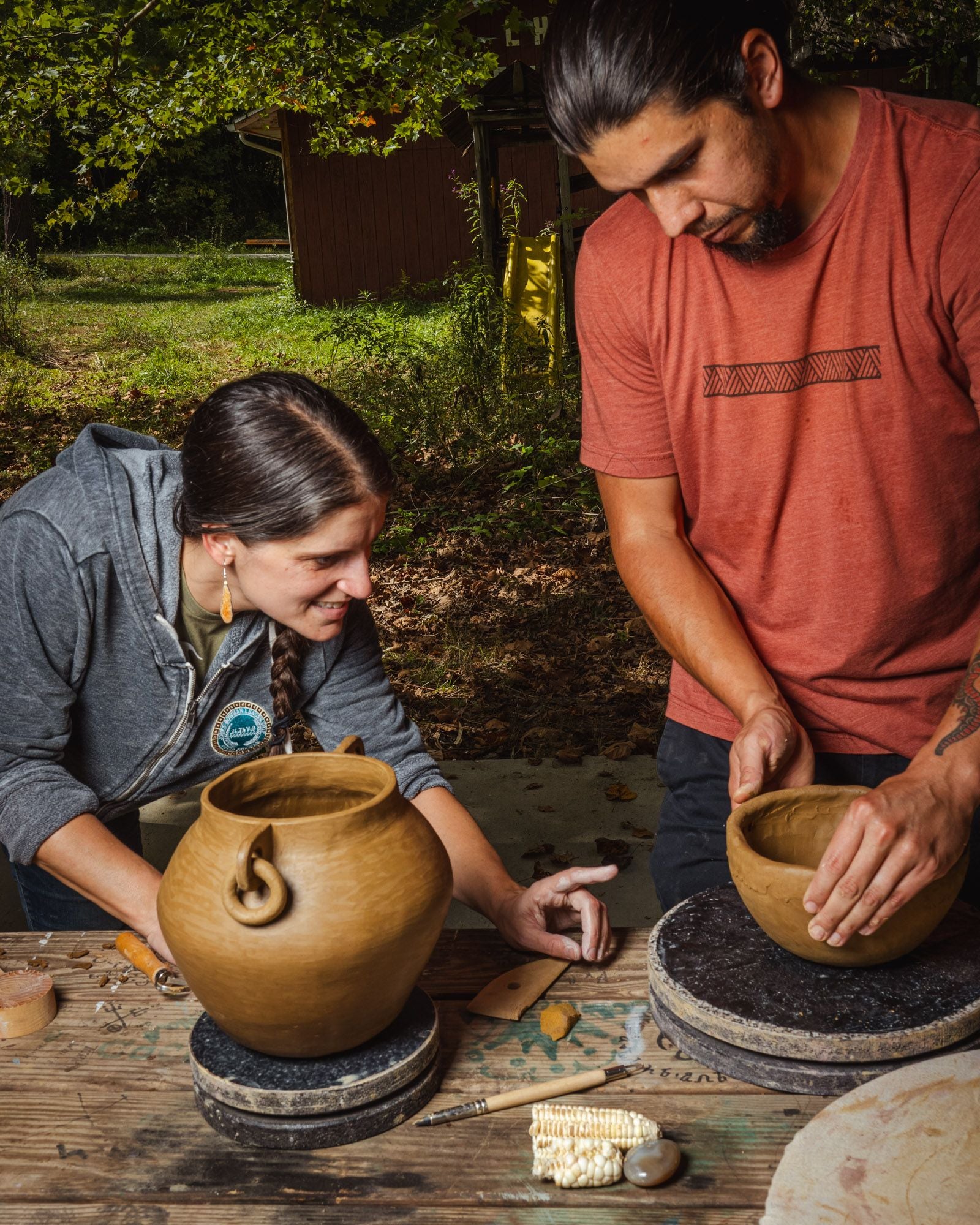
The Center for Native Health, our Community Partner in December 2024, is a Cherokee, NC-based non-profit that works to integrate community-based knowledge into Native health care and education. With the donations they received, CNH was able to complete the build of a wood-fired, community kiln that will support emerging Cherokee potters and provide learning space for clay workshops. Kiln access allows the Center to help the Native community reconnect to the ancient history of Cherokee pottery through teaching traditional forms and techniques while offering resources for innovation.
Currently, The Center for Native Health is most focused on food sovereignty issues and providing resources for doula care, mental health and substance abuse. Grassroots organizing is all about community and connection—the more people who get involved and share about the work CNH is doing, the better.
Learn more about CNH, get involved and donate HERE.
PODER Emma
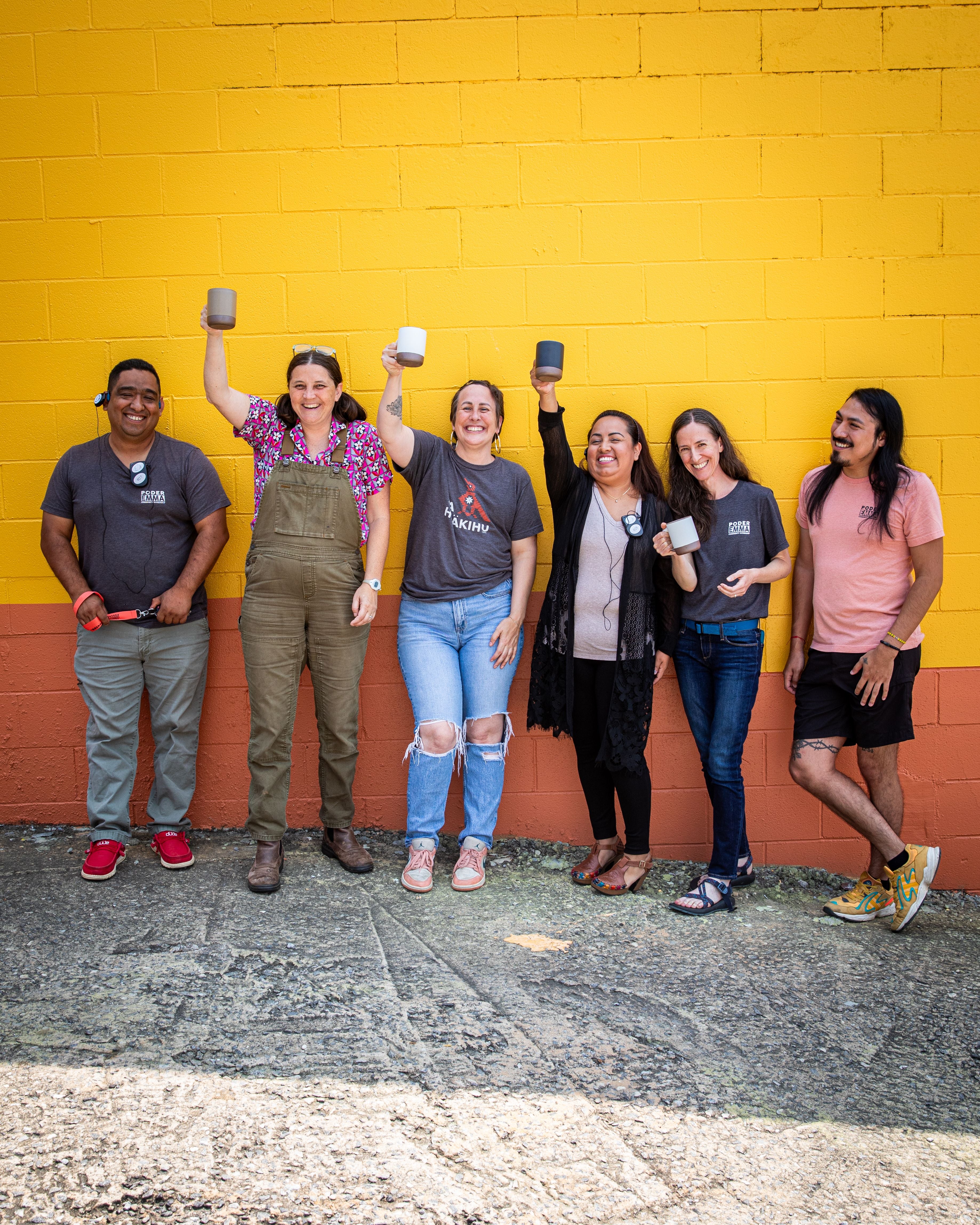
In the year since Helene, the donations PODER Emma received have been put to work repairing homes, restoring critical community infrastructure and sustaining mutual aid efforts. As part of Colaborativa La Milpa, PODER Emma joined collective efforts to distribute supplies and build systems of support for impacted families long after the storm passed.
And recovery is still ongoing. Casa de Apoyo Mutuo, a new permanent organization, provides food and necessities through a mutual aid model, while the Consulta Tu Compa program continues to support Spanish-speaking families facing storm-related challenges. Through the ARCHR Collaborative, PODER Emma is continuing to repair mobile homes impacted by Helene and preparing to break ground on a new mobile home park that will create 38 permanently affordable, cooperatively-owned units.
Since Helene, a deeper awareness of climate change and its impact on our community has led PODER Emma to embrace solar power as a tool for resilience. They used access to solar trailers to pump water out of community wells during the storm and provide refrigeration for families with medical needs. They’re currently working on an energy efficient mobile home prototype to be able to introduce permanent solar as an option for mobile home residents and installing solar on their community centers. Beyond these tangible changes, neighbors have grown closer, recognizing more than ever that survival depends on supporting one another.
Today, the community’s most urgent need is affordable housing, as the housing crisis has only worsened since the storm. Alongside this, economic stability and the growth of worker cooperatives remain priorities, while cultural organizing and mutual aid continue to play a key role in community wellbeing.
Learn more about PODER Emma’s work to provide affordable housing and prevent displacement, and become a donor HERE.


